


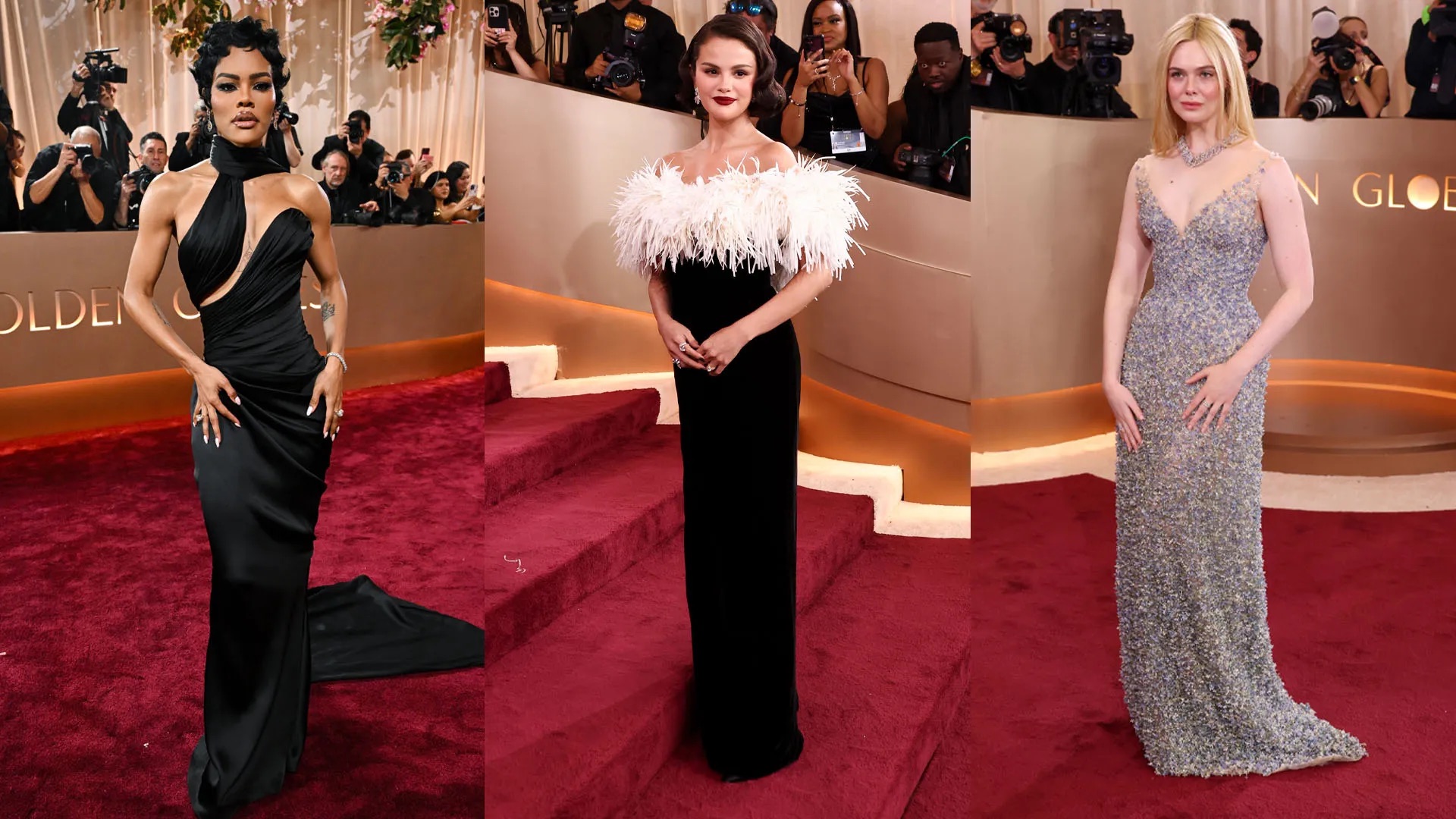
Award nights are supposed to be about trophies, speeches, and headlines. Yet the modern red carpet has become a parallel competition with its own scorecard: who dominated the photo feed, who changed the conversation, and who turned a few minutes of arrival time into months of cultural relevance. At the Golden Globes 2026—held in January and hosted by Nikki Glaser—the fashion story functioned less like decoration and more like a strategic campaign.
In that ecosystem, attention is a currency as measurable as the numbers on this website when a look lands perfectly and the internet collectively decides it “means something.” The real winners, in many cases, were not the people holding statues but the stylists who engineered a coherent image narrative under intense scrutiny.
The Red Carpet Is a Narrative Platform, Not a Runway
The red carpet is often framed as fashion spectacle, but its true function is narrative compression. In seconds, a look is expected to communicate personality, status, momentum, and intent. Stylists treat this as a storytelling problem with strict constraints: limited time, harsh lighting, repetitive camera angles, and an audience primed to interpret symbols.
That is why the most successful appearances rarely feel accidental. Whether the message is “serious artist,” “new era,” “unbothered confidence,” or “classic glamour,” the outfit acts as a headline in fabric form. The audience may describe it in aesthetic terms, but the underlying mechanism is strategic: create a recognizable frame that media and fans can repeat.
Stylists as Producers: The Invisible Creative Directors
Stylists today operate like producers. They coordinate wardrobes, negotiate access to rare pieces, align the look with a public narrative, and manage the many stakeholders who benefit from the appearance. This is less “choosing a dress” and more “designing an outcome.”
A stylist’s work typically includes:
- Narrative alignment: Matching the look to the client’s current storyline (new project, reinvention, comeback, credibility push).
- Risk controls: Avoiding choices that create distracting controversy or unflattering images under high-resolution scrutiny.
- Consistency across touchpoints: Ensuring the red-carpet look harmonizes with interviews, after-parties, and the broader social media aesthetic.
- Operational precision: Fittings, tailoring, accessories, backups, and contingency plans—because failure modes are public and permanent.
When this orchestration works, the star looks “effortless.” That illusion is the point.
Brand Power Without Saying Brand Names: The Economics of Visibility
Even without naming fashion labels, it is impossible to analyze the red carpet without acknowledging brand power. Luxury houses, jewelry makers, and beauty partners treat awards season as a high-value marketing channel: one photograph can travel further than a traditional ad, and it arrives wrapped in editorial language rather than sales language.
Stylists sit at the intersection of three incentives:
- The celebrity’s incentive: Strengthen a personal image and protect reputation.
- The brand’s incentive: Associate with cultural prestige, trend leadership, and aspirational taste.
- The media incentive: Produce a simple story the audience can debate—best dressed, worst dressed, bold risk, quiet elegance.
This is why certain looks feel “inevitable” during awards season. The clothes are not merely worn; they are deployed. Stylists translate brand goals into human storytelling: a silhouette that signals authority, a color that claims the camera, an accessory that telegraphs craft and status.
Image Strategy: Silhouette, Color, and Camera Physics
The camera is not neutral. A red-carpet look must survive multiple lenses, distances, and lighting temperatures. Stylists account for this with a surprisingly technical approach.
Silhouette is the first strategic lever. Strong silhouettes read well in a crowded frame and remain recognizable even when cropped. A clean line can project maturity and control; a dramatic volume can project fearlessness and spectacle. The choice is less about taste and more about the brand of the person wearing it.
Color is the second lever, and it is often underestimated. Certain tones pop under flash photography and stand out against common carpet backdrops. Others create an elegant effect up close but flatten in wide shots. A savvy stylist uses color to win the “thumbnail war,” because most people experience the red carpet through small images on a screen.
Texture and reflectivity form the third lever. Matte fabrics can look refined but risk appearing dull; reflective elements can look radiant but risk harsh glare. The best stylists balance these variables so the look remains flattering across conditions—close-up, wide shot, moving video, and candid angles.
The Power of Cohesion: Hair, Makeup, and the “Total Look”
Red-carpet commentary often over-focuses on the garment, but the audience perceives the total package. Hair and makeup are not secondary; they are part of the message system.
A cohesive look typically follows one of two strategies:
- Harmony: Everything supports a single mood—sleek, romantic, minimalist, or dramatic—so the audience receives a clear signal.
- Intentional contrast: One element disrupts the others (for example, a severe hairstyle with a soft silhouette) to create tension and memorability.
Stylists coordinate these decisions to avoid accidental contradictions. A mismatched approach can dilute the narrative and invite the wrong kind of attention: not “interesting,” but “confusing.”
Social Media Turns Looks into Assets or Liabilities
The red carpet used to be ephemeral; now it is archived, remixed, and judged in real time. Stylists plan for this by anticipating how a look will move through social platforms:
- Meme potential: Does the look invite parody, and if so, is it affectionate or cruel?
- Zoom factor: Does it reward close inspection with details that generate reposts?
- Angle resilience: Does it hold up in candid shots, not just posed ones?
- Reinterpretation risk: Could it be read as tone-deaf, overly performative, or strangely timed?
This is where stylists become risk managers. A technically beautiful look can still fail if it clashes with the public mood or contradicts the client’s current positioning.
Why the Stylists “Won” the Night
Calling stylists the real winners is not a cute exaggeration; it reflects how cultural attention works now. Awards are outcomes decided by voting bodies. Red-carpet dominance is an outcome shaped by strategy, coordination, and execution—domains where stylists have enormous leverage.
At Golden Globes 2026, the most impactful appearances were those that achieved three things at once: a crisp narrative, strong photographic performance, and a coherent image strategy that extended beyond the carpet. The result is a form of soft power: influence that lingers after the speeches fade.
What Viewers Can Take From It
The red carpet can be enjoyed as pure spectacle, but it is also a case study in modern branding. Stylists show how to package a message, control variables, and build recognition through consistent signals. You do not need a celebrity budget to learn the principle: clarity beats clutter, cohesion beats chaos, and the best “effortless” results are usually the most carefully engineered.
And in an era where images travel faster than explanations, the people who understand image strategy are often the ones shaping the story—whether or not they ever step in front of the cameras.
